
Insights
Ontario’s New 2026 Kindergarten Curriculum: Why Early Literacy Screening Matters for Your Child
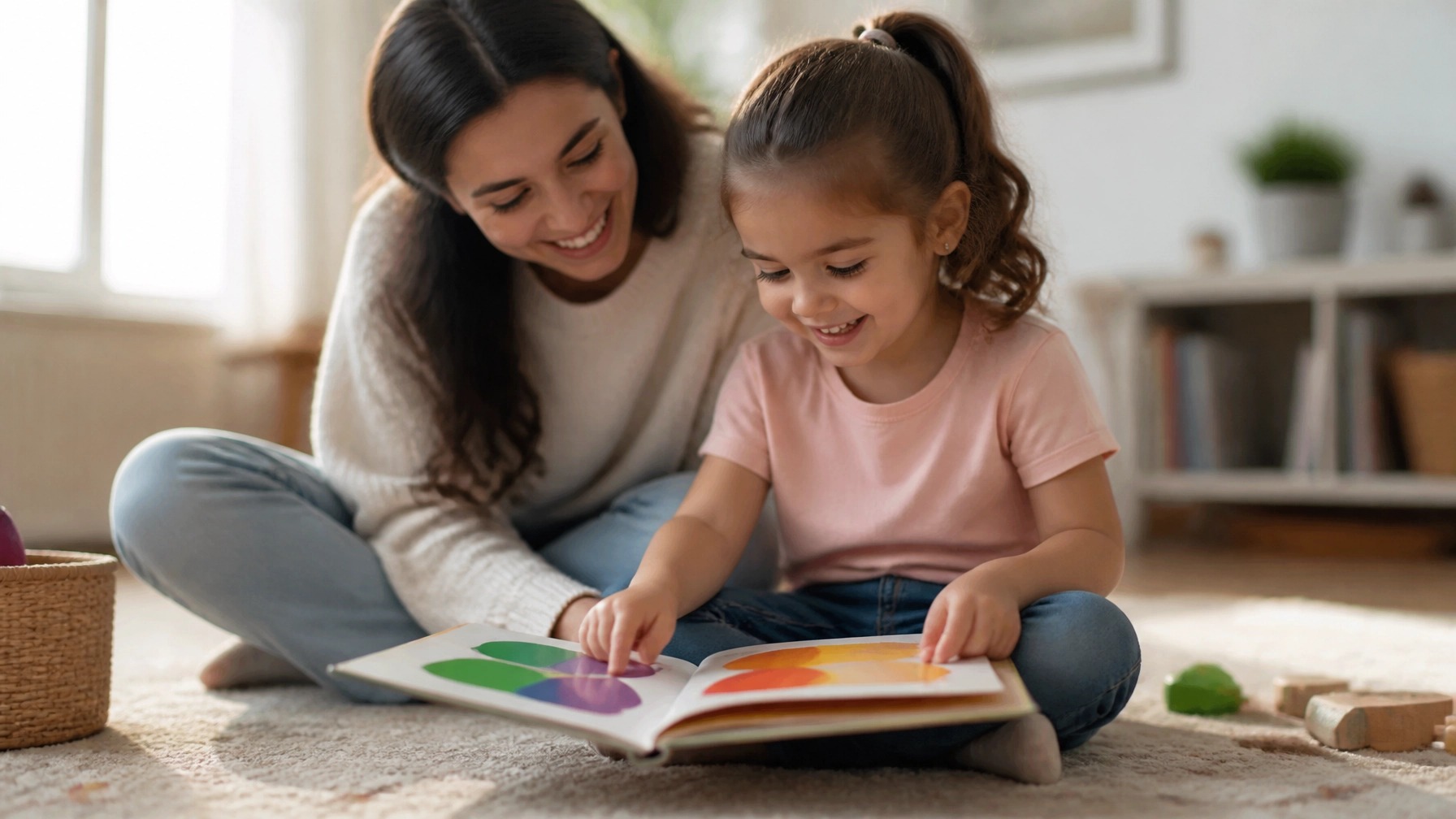
When most people hear the word “Kindergarten,” they think of finger painting, dress-up corners, and the legendary nap time (which, let’s be honest, we all wish we still had). Most people think of it as a gentle bridge between home and “real” school.
And while play is still at the heart of how kids learn, things in Ontario are about to look a little different.
If you have a little one starting school soon, you’ve likely heard whispers about the Ontario Kindergarten Curriculum (2026) update. It’s a big shift. It’s a move toward being more intentional, more direct, and more supportive of every single child’s right to read.
At Mountain Speech Language Services, we know that change can feel overwhelming. (Are they learning too much? Too fast? Is play gone?) Rest assured, we are here to help you navigate these changes with confidence.
So, let’s break down what is actually happening in Ontario classrooms and why early literacy screening ontario is about to become your child’s new best friend.
The “Why” Behind the Change: The Right to Read
For many years, literacy instruction in Ontario relied heavily on balanced literacy approaches. The Right to Read Inquiry found that these approaches did not consistently provide the explicit instruction many children particularly those with dyslexia and other reading disabilities needed to become successful readers.
In 2022, the Ontario Human Rights Commission released the Right to Read Inquiry. The findings were a wake-up call: our province wasn’t providing equitable access to evidence-based reading instruction.
Unlike spoken language, reading does not develop naturally for most children and requires explicit instruction to help children understand how spoken sounds connect to written language. To crack that code, children need Structured Literacy, an approach that is explicit, systematic, and grounded in science.
The new Kindergarten Curriculum (2026) directly incorporates many recommendations from the Ontario Human Rights Commission’s Right to Read Inquiry by emphasizing evidence-based, explicit and systematic instruction in foundational reading skills while maintaining Ontario’s play-based approach to learning. It’s about making sure every child has the tools they need to succeed from day one.
What’s New in the 2026 Curriculum?
Starting in September 2026, the Kindergarten program will shift from “frames” to “strands,” specifically introducing a dedicated focus on the Foundations of Language and Mathematics.
What does that look like in a classroom full of four-year-olds? It means your child will receive explicit instruction in:
- oral language
- phonological and phonemic awareness
- letter-sound relationships (phonics)
- decoding simple words
- early writing
- spelling using taught sound-letter patterns
- vocabulary and language comprehension
Don’t worry: play isn’t going anywhere! The difference is that play will now be used to practice the skills they’ve been explicitly taught. For example, children might use a dramatic play
Understanding PPM 168: The “Check-Up” for Reading
Along with the new curriculum comes a very important policy called Policy/Program Memorandum 168 (PPM 168). PPM 168 requires all students in Year 2 Kindergarten (Senior Kindergarten), Grade 1 and Grade 2 to participate in ministry-approved early reading screening.
Think of this screening like a height and weight check at the pediatrician. It’s not a “test” they can fail, and it doesn’t result in a grade. It’s a quick, one-on-one check-up to see how your child is progressing with those foundational skills.
When does screening happen?
- Round One: By mid-November. This identifies who might need a little extra boost early on.
- Round Two: By mid-March. Students who did not meet the benchmark in the fall must participate in this screening to ensure the extra help they received is working. Students who met the benchmark may also be screened again at the educator’s discretion, but it is optional.
The results help educators provide targeted instruction and intervention as early as possible.
Here’s the thing: catching a struggle in Kindergarten is a gift. It allows us to intervene before a child ever feels like they are “bad at school.”
How Mountain Speech Supports the “Climb” to Reading Success?
At Mountain Speech Language Services, we provide comprehensive speech-language pathology services that support speech, language and literacy development across the lifespan. We firmly believe that literacy develops from a strong foundation of oral language: it’s all connected!
Research consistently shows that strong oral language skills including vocabulary, grammar, listening comprehension, and phonological awareness form the foundation for learning to read. Supporting language development early helps build the skills children need for literacy success.
We use what we call “The Climb” Framework. It’s a step-by-step journey that starts with a deep-dive assessment and moves through personalized therapy and parent coaching. Whether your child is neurotypical or neurodiverse, we meet them exactly where they are.
Our Collaborative Approach
One of our biggest pride points is our unique collaborative model. When you work with us, you aren’t just getting a Speech-Language Pathologist (or SLP for short).
Our clinical team works hand-in-hand with OCT-certified Teachers. Our Education Consultant: who just happens to be our founder Melissa’s husband helped to develop our “Let’s Read!” summer camp curriculum and the art + science of our Structured Literacy Instruction program! This synergy bridges the gap between the clinical therapy room and the Ontario classroom.
Ministry-mandated school screening provides an important first snapshot of early reading development. When concerns remain, a comprehensive speech, language & literacy (completed by an SLP) or psychoeducational assessment (completed by a Psychologist) can provide a more detailed understanding of the underlying language and literacy skills affecting reading.
Reassurance for Parents: It’s Never Too Early (or Late)
If you’re reading this and feeling a bit of “alphabet anxiety”: breathe. You are doing a great job just by staying informed.
What if my child doesn’t know their letters before Kindergarten? That’s okay! The new curriculum is designed to teach these foundational skills. Children are not expected to enter Kindergarten already reading. Instead, educators will provide explicit instruction while continuing to support learning through meaningful play and exploration.
The shift to the 2026 curriculum represents an important step toward evidence-based literacy instruction and earlier identification of children who may benefit from additional support. It means more support, more clarity, and more success for our kids.
Whether your child is already showing an interest in letters or you’ve noticed they struggle to rhyme or follow multi-step directions, we are here. No two children are the same, and that’s why our approach is always affirming and individualized.

Ready to Start the Journey?
If you want to ensure your child is ready for the new curriculum or if you’d like a second look at their early literacy skills, we’d love to chat. Together, we can make reading and learning: a lifelong success.
You can explore more about our philosophy and The Climb framework on our website, where we dive into how we support pediatric and adult communication needs across Ontario.
Contact Us Today
Mountain Speech Language Services
Serving the Hamilton & Niagara Region (and all of Ontario virtually!)
Phone: 289-212-6099
Email: admin@mountain-speech.ca
Website: www.mountain-speech.ca
